
-
 NSW fall armyworm roadshow and hands on...From : Wed, 25 Nov 2026 12:00 PMTo : Wed, 25 Nov 2026 04:00 PMAt : Richmond

Fall armyworm research, development and extension for horticulture
Latest news and updates
-

Bowen–Burdekin FAW meeting focuses on practical management
Sixteen growers, agronomists, researchers and extension staff from the horticulture and grains industries came together at the Bowen Research Facility on 29 September 2026 for the final Bowen–Burdekin industry meeting of the national fall armyworm (FAW) project. The meeting brought together local field observations and current research on FAW monitoring, insecticide resistance, biological control and on-farm management.
Key messages for growers and industry
- Keep scouting crops even when using pheromone traps. Trap catches can indicate moth activity, but spray decisions should also consider eggs, larvae, crop stage and crop damage.
- Protect effective insecticides. Rotate modes of action, use recommended rates and good application practices, avoid under-dosing and incorporate IPM wherever possible.
- Biological control remains an important opportunity. Research on Metarhizium rileyi, NPV and natural enemies is helping determine how biological options could fit within commercial FAW management programs.
- Local research is answering practical questions. Current work includes the relationship between pheromone-trap catches and egg laying, FAW monitoring in sweet corn and NPV application with insecticides under overhead irrigation.
- Insecticide resistance in cluster caterpillar is an emerging regional concern. Recent detection (late 2025) of insecticide resistance in Spodoptera litura (cluster caterpillar) to Mode of Action (MoA) insecticide Groups 6 and 28 was highlighted. The need to rotate often between insecticide MoA and continue support for monitoring programs was emphasised. Resistance in this pest reminds us of similar concerns for the frequent use of insecticides for control of FAW.
- Considerations for developing a regional insecticide resistance management strategy (IRMS). One participant outlined a previous attempt to introduce an insecticide resistance management strategy (IRMS) for vegetables in the Bowen/Burdekin region. That attempt (a decade ago) was abandoned because participants were unable to find periods where key insecticides could be rested versus used (as windows) because different pests with very different generation times were targeted with the same insecticide. These issues were raised for consideration with current attempts to develop an IRMS strategy for FAW.
- Industry feedback informs practical FAW extension resources. The project is developing resources including a FAW management guide and short videos to support practical FAW management. Industry experience, management challenges and feedback shared during the meeting will help ensure these resources are relevant, practical and responsive to grower and industry needs.
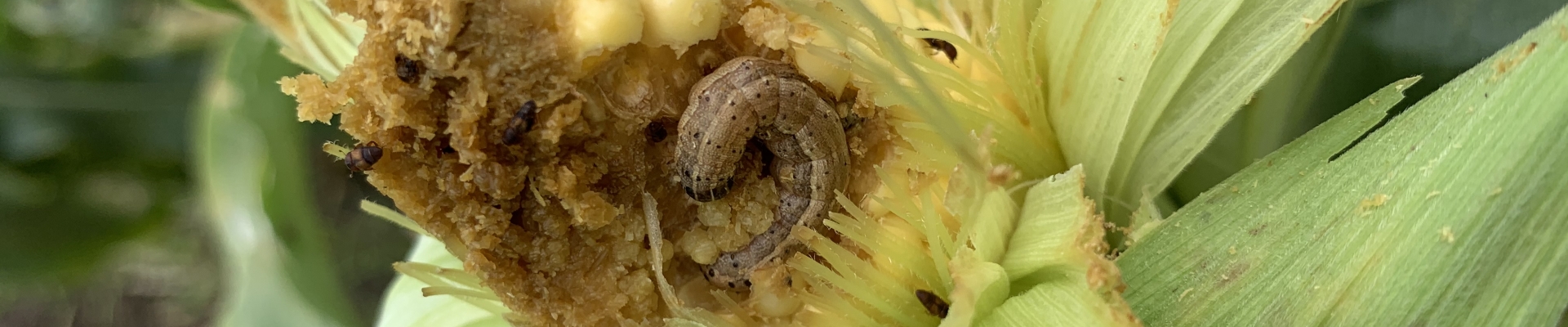
Image: Dr John Stanley, DPI entomologist (left), and agronomist Amelia Pivotto assessing sweet corn cobs for harvest, following FAW infestation and associated cob damage, in Bowen, Queensland.
The meeting was delivered by Queensland DPI at the Bowen Research Facility as part of VG22006 – National fall armyworm innovation system for the Australian vegetable industry, funded by Hort Innovation using the vegetable industry levy and contributions from the Australian Government, in collaboration with NQ Farmers, NSW DPIRD and Agriculture Victoria.

FAW moth catches from pheromone traps
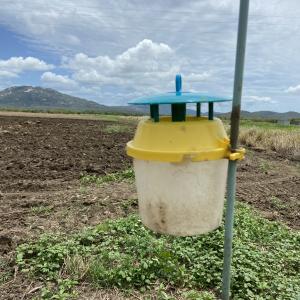
Bowen (North Queensland) FAW moth catches

Gatton (South East Queensland) FAW moth catches
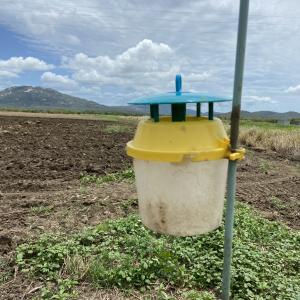
Tenthill (South East Queensland) FAW moth catches
Updated: 22 September 2026
A pheromone trap baited with Pherolure was deployed at Tenthill in February 2025 during the sweet corn growing season.
Weekly moths catch: 27 / week