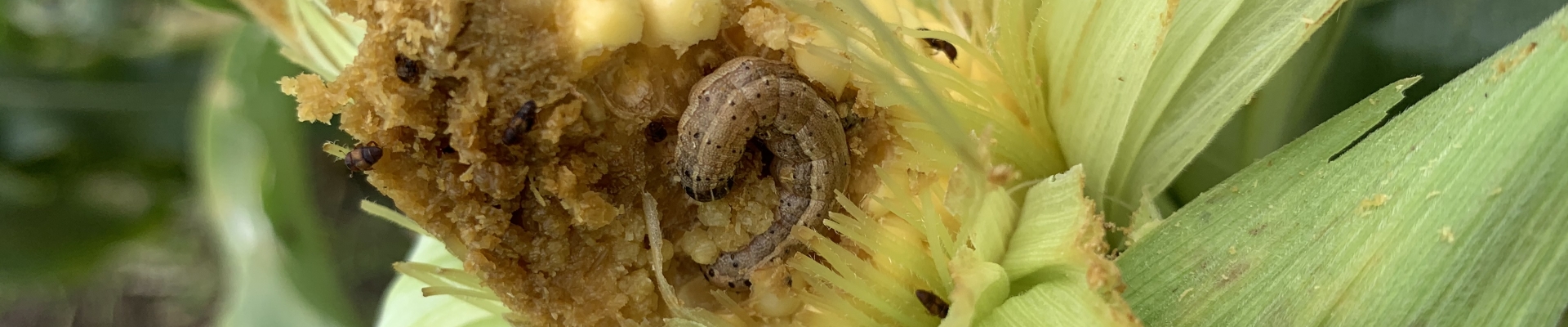
The testing results to date indicate no change in susceptibility to chlorantraniliprole, emamectin benzoate, spinetoram or indoxacarb in FAW populations from Queensland, Western Australia, Northern Territory and New South Wales. Insecticide resistance surveillance is a critical component of FAW management, enabling early detection of changes in susceptibility and informing strategies to minimise the risk of resistance-driven control failures. Our surveillance program utilises F2 screening for early detection of resistance to key selective insecticides registered for FAW control, including indoxacarb, emamectin benzoate, spinetoram and chlorantraniliprole. Results provide practical insights which will support growers in optimising their spray programs. Importantly, integrating rapid detection of resistance combined with the adoption of best management practices will be key to reducing the resistance risk in horticulture and other industries impacted by FAW.
Updated: 18 August 2026
Various peak values have been recorded, most of which occur during the warm-weather season. Since the initiation of the trapping program, the highest number of male moths collected on traps was between January and February 2024.
Weekly moths catch: 0 / week
Updated: 18 August 2026
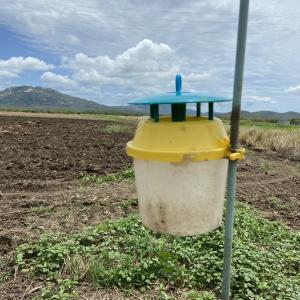
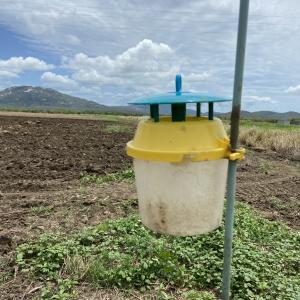
A pheromone trap baited with Pherolure was deployed at Tenthill in February 2025 during the sweet corn growing season.
Weekly moths catch: 19 / week
The videos are from Fall armyworm events and field activities.