
-
 NSW fall armyworm roadshow and hands on...From : Wed, 25 Nov 2026 12:00 PMTo : Wed, 25 Nov 2026 04:00 PMAt : Richmond

Fall armyworm research, development and extension for horticulture
Latest news and updates
-

Familiarity with fall armyworm eggs — Quick guide
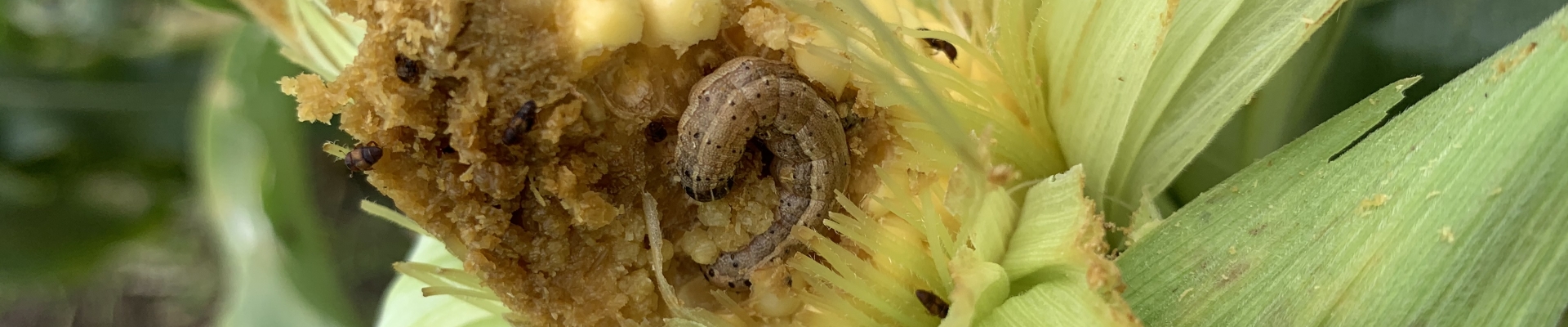
A new familiarity with fall armyworm eggs fact sheet is available through the VG22006 national FAW project. The guide supports familiarising with FAW egg masses and egg developmental stages, as well as timely IPM decisions. It is designed for growers, advisers and industry stakeholders.
Key messages:
• Egg monitoring helps detect an early indication of likely FAW presence.
• Recognising the stages of egg development indicates the time for neonates to hatch. Insecticides are more effective if applied when most larvae are hatching.
• Realising a lack of eggs (from scanning and searching plants) and larvae (from destructive plant searches) can avoid unnecessary insecticide applications.
• Avoiding insecticide applications maximises the effectiveness of beneficial insects and minimises the selection pressure for insecticide resistance.Access the factsheet here

FAW moth catches from pheromone traps
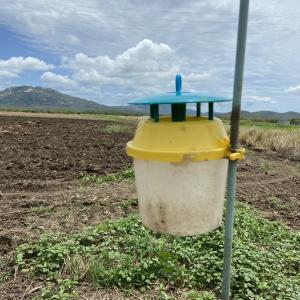
Bowen (North Queensland) FAW moth catches

Gatton (South East Queensland) FAW moth catches
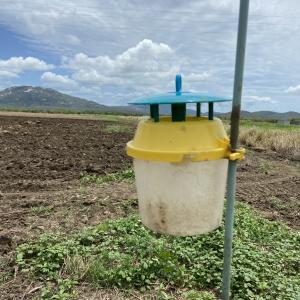
Tenthill (South East Queensland) FAW moth catches
Updated: 22 September 2026
A pheromone trap baited with Pherolure was deployed at Tenthill in February 2025 during the sweet corn growing season.
Weekly moths catch: 27 / week